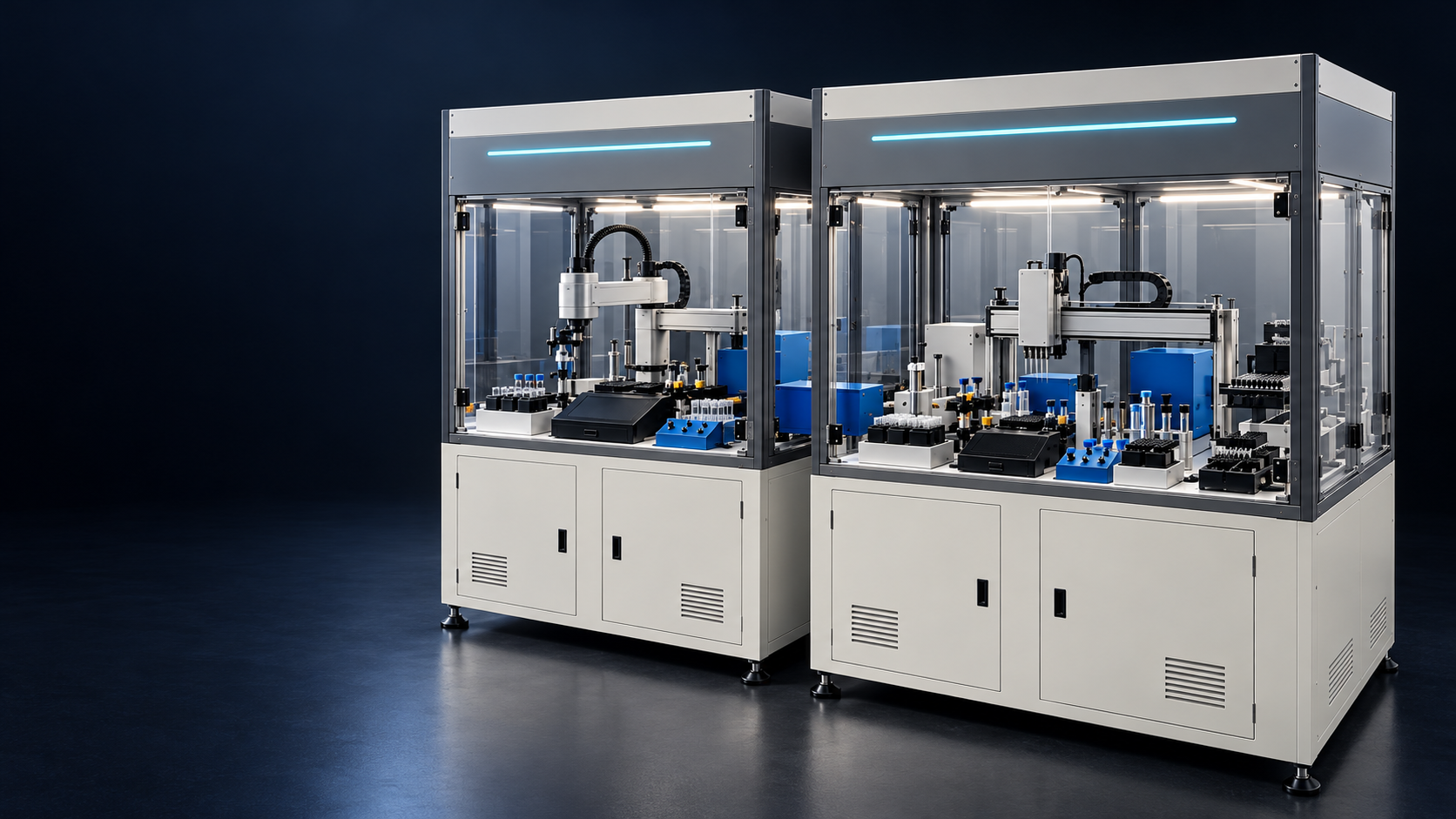
 Concept design
Modular automation station
Enclosed workcells with a shared layout for preparation, liquid handling and sample transfer.
- Design focus
- Workcell integration
- Development stage
- Design exploration

LabFlux Laboratory Automation
Flexible high-throughput platforms for materials R&D. Connect instruments, robotic operations and workflow software — from one workstation to a complete experimental workflow.
Intelligent Flow for Scientific Discovery
Explore three design concepts for a connected laboratory. These visual studies show possible product directions; configurations and performance remain subject to engineering validation.
Concept designEnclosed workcells with a shared layout for preparation, liquid handling and sample transfer.
 Concept design
A compact dosing module exploring balance feedback, accessible tooling and container adaptation.
 Concept design
A mobile-base and compact-arm concept for moving sample racks between laboratory workstations.
Each concept is backed by a practical solution.
Contact us for solution details ↗Interfaces, tooling and control logic bring separate instruments into an experimental workflow.
Connect existing and new instruments to the workflow.
Develop end effectors and fixtures for your labware.
Coordinate tasks, instruments and human handoffs.
Keep operational records connected to sample identity.
Integrate, test and agree acceptance conditions.
Keep methods, material changes and decisions with people.
Start with the steps your experiment needs. We connect proven instruments, purpose-built tooling and human expertise into a working laboratory system.
Recipe-based powder and liquid dosing, weighing and mixing for formulation screening and material preparation.
Batch, parallel or continuous operation — selected for the process.Build in phases to suit your R&D plans. Each stage has a defined scope, clear handoffs and a path to expansion.
Four process workstations. A shared engineering approach. Explore the tasks that can form your platform.
Automated powder and liquid dosing, mixing and synthesis, with recipe-based material handling and data recording.
Mixing, centrifugation, pipetting, decapping and film removal. Connect existing equipment with dedicated transfer mechanisms.
Batch and parallel reaction experiments for screening formulations and process conditions.
Scheduled sampling, aliquoting, transfer and storage, with sample preparation and loading for testing.

Our team contributed to laboratory automation development for these materials research platforms.
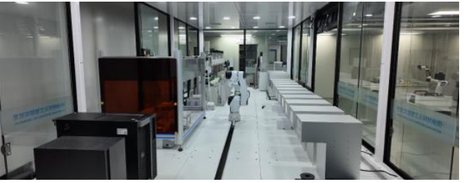
19 LLM agents and heterogeneous robots support a hierarchical materials discovery workflow.
Xuefeng Yu’s team, Shenzhen Institute of Advanced Technology, Chinese Academy of Sciences.
Agentic hierarchical cooperation for materials discovery
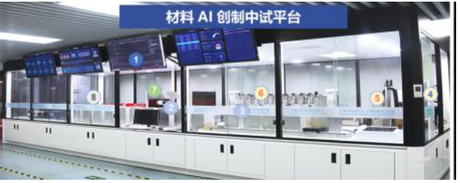
12 parallel channels. A 10–100 g pilot scale. Automation supporting new materials research.
Xuefeng Yu and Wenhua Zhou’s teams, Shenzhen Institute of Advanced Technology, Chinese Academy of Sciences.
AI-Driven Autonomous Pilot Platform for New Materials
Research results belong to the respective research teams. Figures describe the referenced platforms’ configurations and application scale.
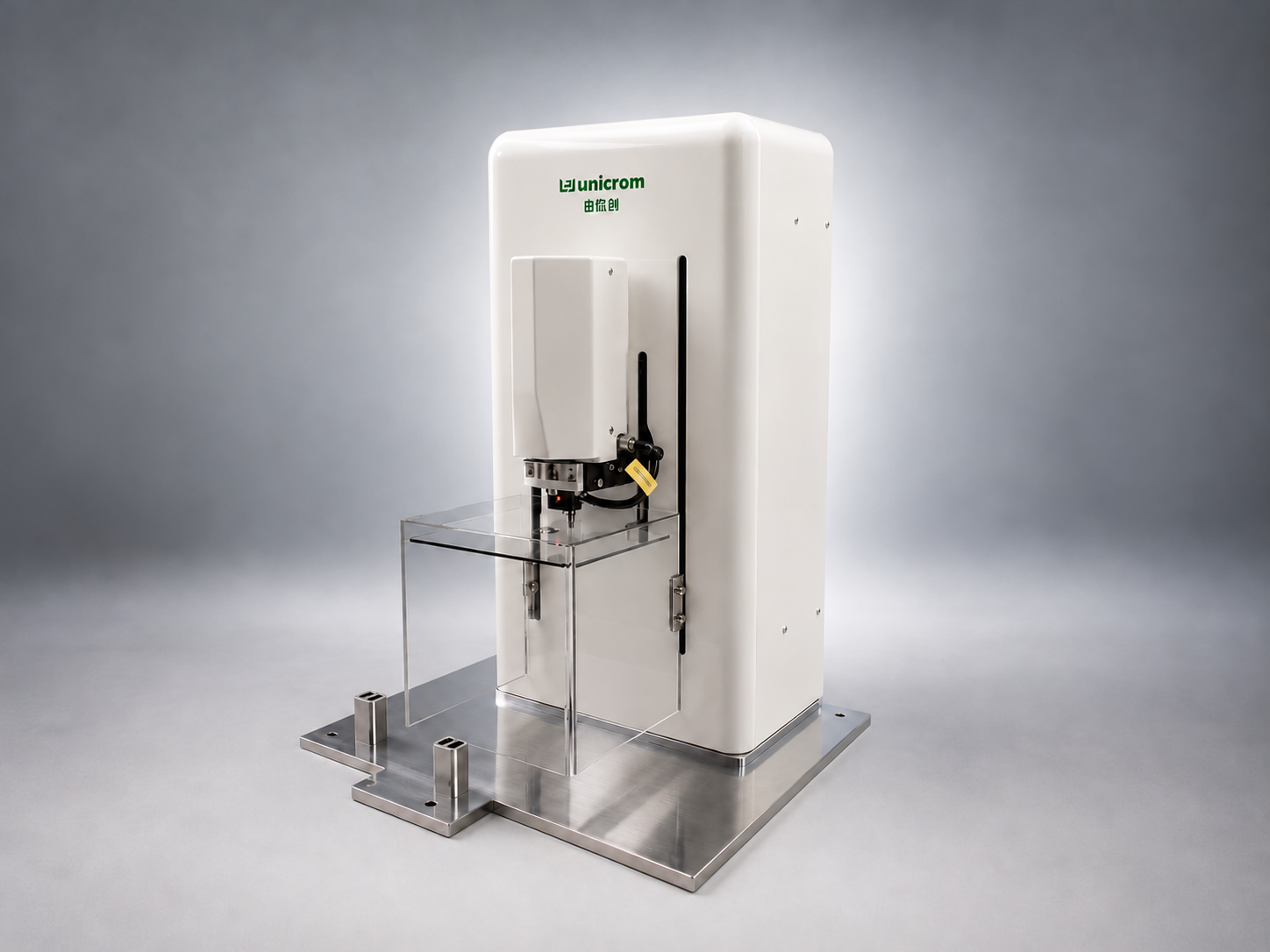
Developed in house
Balance feedback guides coarse dosing, fine dosing and final top-ups. We adapt the dosing tool to your powders and containers, and integrate it into the preparation workflow.
LabFlux Intelligence Ltd brings robotics, industrial software and advanced hardware together for materials R&D. Based in Shenzhen, we build around your experimental methods and existing instruments.
Industrial and laboratory automation, custom equipment and embodied robotics.
PLC, HMI, SCADA and DCS. Workflow control and PC-based supervisory software.
FPGA, precision data acquisition, timing control and image processing cards.
Experience of the core R&D team in the respective fields.
Robots handle repetitive transfers and operations. Researchers retain control of method adjustments, material replenishment and key decisions. Software coordinates equipment and human handoffs as methods evolve.
LabFlux Intelligence Ltd provides flexible high-throughput laboratory automation for materials R&D. Its engineering scope combines instrument adaptation, robotic operations, workflow control and system integration.
Yes. A project can start with a reagent preparation, sample processing, high-throughput reaction, or sampling and characterization workstation. Further stages can be integrated as the experimental workflow and R&D plan require.
Existing or newly purchased instruments can be assessed for integration using available interfaces, fixtures, robot end effectors and necessary modifications. Compatibility and automation scope are established for each instrument and experimental method.
Robots handle repetitive transfers and operations. Researchers retain method adjustments, material replenishment and key decisions. Workflow software coordinates instruments and human handoffs.
Tell us about your materials, instruments and workflow. We will help define a practical scope for automation.
Our platform, workstations and engineering scope in one overview.